

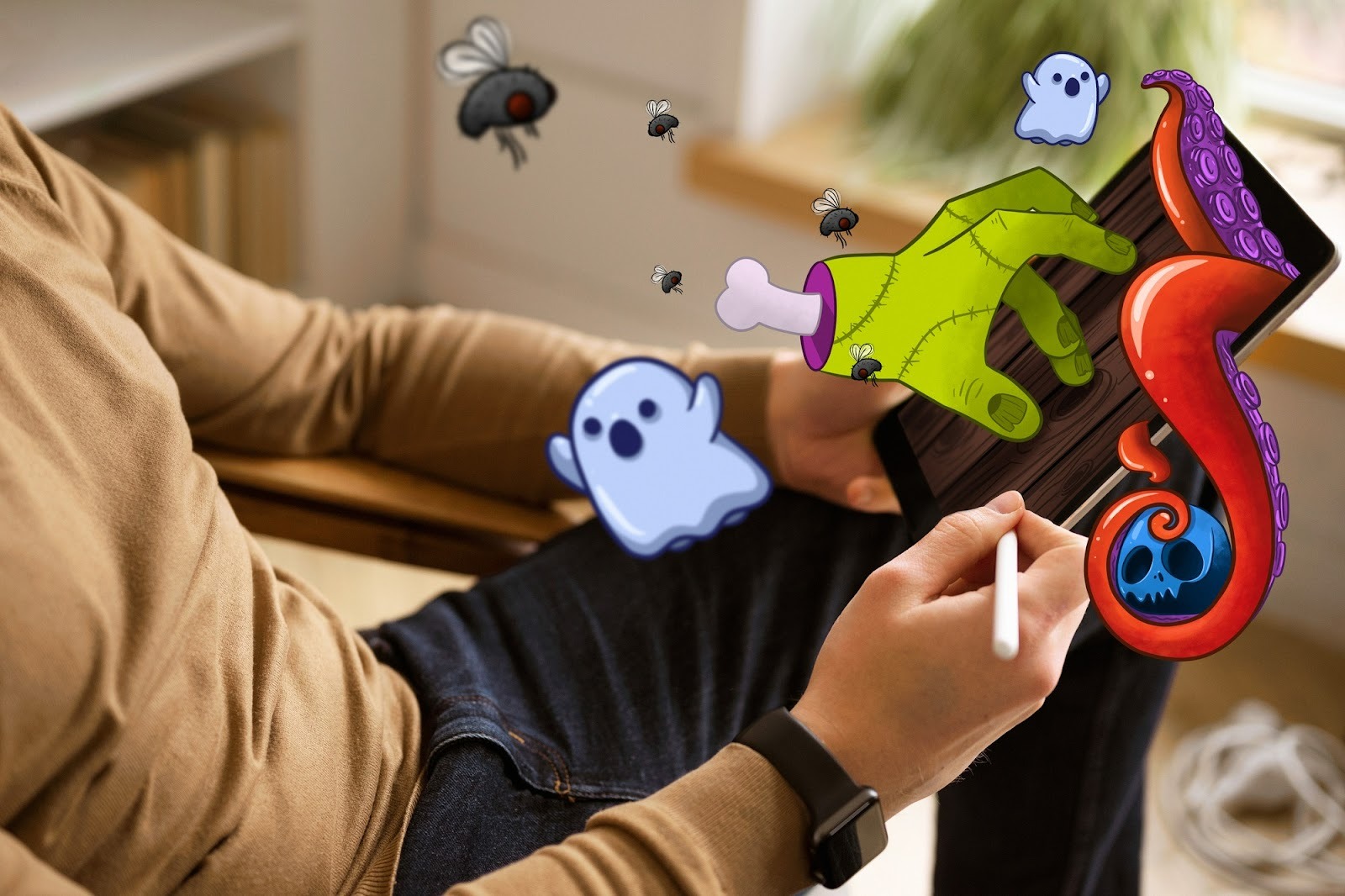
Memes and trends move faster today than at any other point in internet history. What starts as a joke or visual idea can spread across platforms in hours and disappear just as quickly. For creators and brands trying to keep up, the challenge is no longer coming up with ideas, but executing them fast enough to stay relevant.
This is where image-to-video AI has started to reshape meme and trend culture. By turning static images into animated clips, creators can react to trends quickly, remix familiar formats, and participate in viral moments without heavy production. Understanding why this shift matters explains how meme culture itself is evolving.
Why have memes shifted from images to short videos?
Memes have evolved because social platforms prioritize video content. Algorithms reward motion, watch time, and engagement over static interaction.
According to DataReportal’s 2024 Digital Trends report, short-form video now accounts for over 60 percent of time spent on major social platforms. TikTok reports that video posts receive significantly higher engagement than image-based posts, especially when movement appears in the first second. As a result, meme formats have adapted to fit video-first feeds.
How does motion change the way memes are consumed?
Motion adds timing, emotion, and personality to memes. It turns a single joke into a short narrative.
Research in visual cognition shows that moving content is processed up to 60 percent faster than static visuals. In fast-scrolling feeds, animated memes interrupt scrolling behavior more effectively. This makes video-based memes easier to notice, understand, and share, which accelerates trend adoption.
What role does image-to-video AI play in trend speed?
Image-to-video AI dramatically reduces the time it takes to participate in trends. Speed is everything in meme culture.
A 2024 Hootsuite analysis found that content posted within the first 48 hours of a trend’s rise receives far higher reach than late entries. Image-to-video AI allows creators to turn existing images into animated clips in minutes, making it possible to join trends while they are still gaining momentum.
Why are creators adopting image-to-video AI for meme creation?
Creators use image-to-video AI to lower the cost of experimentation. It removes the need for filming, editing, and reshoots.
Instead of committing hours to one idea, creators can test multiple meme variations quickly. This approach aligns with how platforms reward iteration. According to Social Media Examiner, creators who test content formats weekly see faster engagement growth than those who stick to a single style.
How does image-to-video AI change remix culture?
Remixing is central to meme culture. Image-to-video AI makes remixing faster and more accessible.
Creators can take a familiar meme image and apply different motion styles, expressions, or pacing. This keeps formats fresh while maintaining cultural recognition. A Later.com engagement study found that motion-based remixes generate up to 34 percent more shares than static remakes, extending the lifespan of trends.
Where does image-to-video AI fit into modern meme workflows?
Image-to-video AI usually sits between idea generation and publishing. It acts as a rapid execution layer.
In the middle of many creator workflows, tools like image to video AI by Viggle AI help turn static meme visuals into short animated clips that feel native to platforms like TikTok and Reels. This allows creators to move from idea to post without heavy production steps.
What types of memes benefit most from image-to-video AI?
Not all memes need motion, but some formats benefit greatly from it. Expression-driven and reaction-based memes perform especially well.
Character reactions, exaggerated facial expressions, before-and-after jokes, and text-led humor all gain impact from movement. TikTok analytics show that character-focused short videos receive up to 40 percent more comments than product-only or static posts. Image-to-video AI enhances these emotional cues.
How does image-to-video AI affect trend accessibility?
Trends used to favor creators with time, equipment, or editing skills. Image-to-video AI lowers that barrier.
With fewer technical requirements, more creators can participate in trend culture. This democratization leads to faster trend saturation and more diverse interpretations. According to a 2023 Creator Economy report, creators who adopt lightweight AI tools publish more frequently and engage with trends more consistently.
Does image-to-video AI change how long trends last?
Yes, motion-based formats often extend trend lifespans. Animation keeps familiar ideas feeling new.
When creators can easily refresh a trend with new motion styles, it avoids fatigue. This leads to longer relevance cycles. Social media analysts note that trends with adaptable formats last significantly longer than rigid ones, especially when motion variations are involved.
What risks come with overusing image-to-video AI in memes?
The biggest risk is repetition. When too many creators rely on identical motion styles, content can feel predictable.
Audiences are quick to notice sameness. Successful creators customize motion, timing, and captions to maintain originality. Image-to-video AI works best as a creative accelerator, not a replacement for cultural awareness and humor.
How does image-to-video AI affect meme authenticity?
Authenticity in meme culture is about relevance and timing, not production methods.
A 2023 Stackla survey found that 90 percent of users value authenticity over production quality. Image-to-video AI supports authenticity when it helps creators respond faster and communicate ideas clearly. It becomes a problem only when content feels disconnected from platform culture.
What does the future look like for memes and image-to-video AI?
Meme culture will continue to evolve alongside platform algorithms. Image-to-video AI will likely become a standard creative tool.
Industry forecasts suggest that by 2027, more than 80 percent of social video content will involve some form of AI assistance. As models improve, motion will become more expressive and context-aware, further blurring the line between traditional meme creation and video storytelling.
Conclusion
Image-to-video AI is changing meme and trend culture by removing friction, accelerating participation, and expanding creative possibilities. By turning static images into animated clips, creators can respond faster, remix ideas more freely, and stay relevant in fast-moving feeds.
The most effective creators are not replacing creativity with automation. They are using image-to-video AI to amplify humor, timing, and cultural awareness. As meme culture continues to evolve, this technology will remain a central force shaping how trends are created, shared, and remembered.
Curious for more? Dive deeper on our site now! Daily Blooper
