

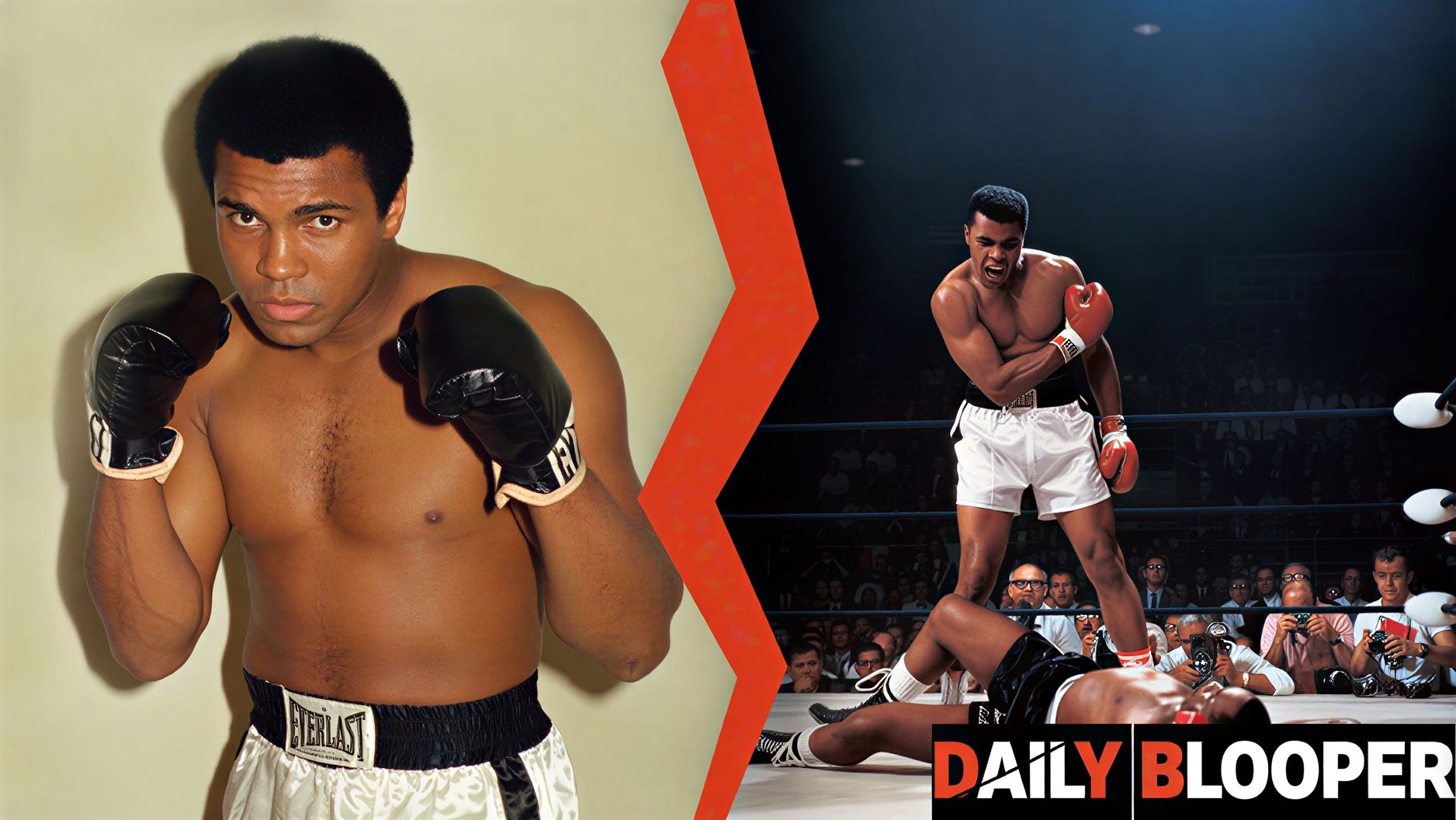
Muhammad Ali was not only a boxing legend but also a symbol of courage, faith, and resilience. Born as Cassius Marcellus Clay Jr. on January 17, 1942, in Louisville, Kentucky, he grew up in a world of racial segregation. His parents, Cassius Marcellus Clay Sr. and Odessa Grady Clay, were the foundation of his character. Their guidance, discipline, and love shaped the man who would become “The Greatest.”
Quick bio of muhammad ali
| Category | Details |
|---|---|
| Name | Muhammad Ali |
| Real Name | Cassius Marcellus Clay Jr. |
| Born | January 17, 1942 |
| Parents | Cassius Marcellus Clay Sr. , Odessa Grady Clay |
| Children | 9 children including Laila Ali , Muhammad Ali Jr. |
| Famous Quote | “I am the greatest” |
| Olympic Medal | Gold – 1960 Rome |
| Boxing Record | 56 Wins – 5 Losses – 37 KOs |
| Notable Fights | Rumble in the Jungle, Thrilla in Manila |
| Illness | Parkinson’s disease |
| Death | June 3, 2016 |
| Legacy | Boxing legend, humanitarian, activist |
Early Life and Family Influence
His father, Cassius Clay Sr., was a hardworking sign painter and a proud, assertive man. He taught young Cassius the importance of dignity, hard work, and standing up for oneself. Odessa Grady Clay, his mother, was gentle and nurturing. She instilled faith, kindness, and patience in him. Together, they balanced his personality, giving him confidence while keeping him grounded.
Growing up in Kentucky during the 1940s and 1950s, young Cassius faced the harsh realities of segregation. These challenges helped him develop resilience. Muhammad Ali often recalled how his parents’ lessons guided him when facing unfair treatment and discrimination, shaping his courage and determination both inside and outside the boxing ring.
Discovery of Boxing
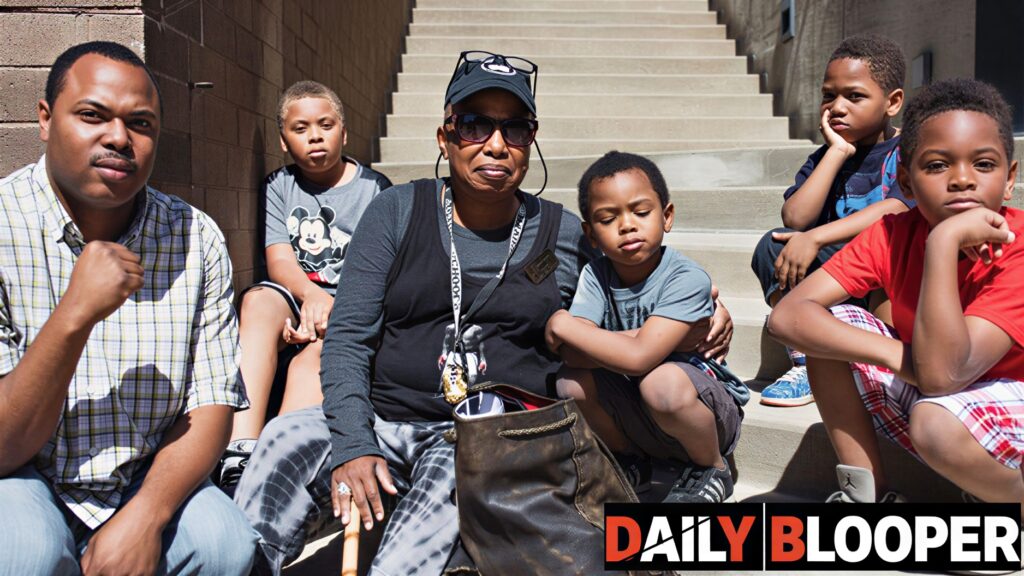
At the age of 12, after his bicycle was stolen, he told a police officer, Joe Martin, that he wanted to fight the thief. Instead of punishment, Martin introduced him to boxing. This small event changed history. Training with dedication, he developed his skills and discipline, influenced by the values taught by his parents.
Rise to Boxing Fame
In 1960, Muhammad Ali won a gold medal at the Rome Olympics, marking his entry into the world stage. Shortly after, he turned professional, building an impressive record that eventually included 56 wins, 5 losses, and 37 knockouts. His first major upset came in 1964 when he defeated Sonny Liston to become the World Heavyweight Champion. At this point, he also changed his name to Muhammad Ali, reflecting his religious beliefs after joining the Nation of Islam.
Legendary Fights
Throughout his career, Muhammad Ali participated in historic bouts that captured global attention. The “Rumble in the Jungle” against George Foreman in 1974 and the “Thrilla in Manila” against Joe Frazier in 1975 are two of the most celebrated fights in boxing history. These events not only showcased his skill but also his courage, strategy, and unique personality.
Stance on Social Issues
Beyond boxing, Muhammad Ali stood for principles. In 1967, he refused induction into the U.S. Army during the Vietnam War, famously stating, “I ain’t got no quarrel with them Viet Cong.” This led to the loss of his boxing license and title, yet he remained steadfast, embodying the values of integrity and courage instilled by his parents. His actions inspired millions worldwide and made him a symbol of activism.
Family Life
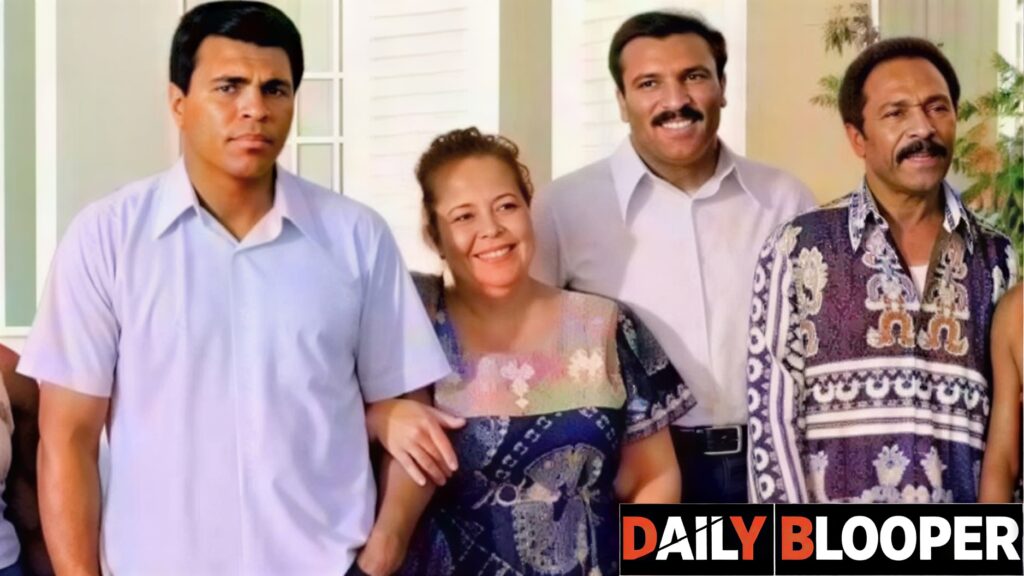
Muhammad Ali children include nine sons and daughters. His most famous daughter, Laila Ali, followed in his footsteps to become an undefeated professional boxer. Muhammad Ali Jr. led a quieter life but carried his father’s legacy in his own way. Other children, such as Maryum, Rasheda, and Hana, reflect the family’s close bond and values. His family stories show the balance between fame and personal responsibility.
Famous Quotes and Philosophy
Muhammad Ali quotes are still remembered for their wisdom and motivation. Phrases like “Float like a butterfly, sting like a bee” and “I am the greatest” reflect his confidence and playful yet powerful nature. His words inspire self-belief and perseverance, demonstrating that his parents’ teachings went beyond discipline—they instilled a mindset for life.
Later Years and Death
Over the years, Muhammad Ali battled Parkinson’s disease, which affected his speech and mobility. He passed away on June 3, 2016, at the age of 74 due to respiratory complications. Questions like “When did Muhammad Ali die?” and “How did Muhammad Ali die?” reflect the world’s interest in the life and passing of a legend. Despite his illness, he remained an inspirational figure to millions around the globe.
Legacy and Memorials
The Muhammad Ali Center in Louisville, Kentucky celebrates his achievements, values, and humanitarian work. Visitors can explore his life story, learn about his accomplishments, and understand the impact of his parents’ guidance. Recognized as Sportsman of the Century and a recipient of the Presidential Medal of Freedom, Muhammad Ali remains an enduring symbol of courage and integrity.
Interesting Facts
Some lesser-known Muhammad Ali facts include his love for poetry and his habit of predicting the rounds in which he would win fights. His personality combined humor, strategy, and confidence. Even as he battled illness, his presence inspired people to remain resilient and kind.
Frequently Asked Questions
Q1: Who were Muhammad Ali’s parents?
A: His father was Cassius Marcellus Clay Sr., a proud sign painter, and his mother was Odessa Grady Clay, who taught him faith and kindness.
Q2: What was Muhammad Ali’s real name?
A: He was born Cassius Marcellus Clay Jr. and later changed his name to Muhammad Ali after joining the Nation of Islam.
Q3: How did Muhammad Ali die?
A: He passed away on June 3, 2016, due to respiratory complications after battling Parkinson’s disease for decades.
Q4: Who are Muhammad Ali’s children?
A: He had nine children, including famous daughter Laila Ali and son Muhammad Ali Jr., along with others like Maryum, Rasheda, and Hana.
Q5: What is Muhammad Ali’s legacy?
A: Beyond boxing, he is remembered for his courage, humanitarian work, activism, and inspiring quotes that continue to motivate millions worldwide.
Final Thoughts
The untold story of Muhammad Ali is incomplete without honoring his parents, Cassius Marcellus Clay Sr. and Odessa Grady Clay. Their love, guidance, and values shaped a champion in the ring and a hero beyond it. From childhood lessons to global activism, Muhammad exemplifies how family can influence greatness. His story teaches that true strength comes not only from skill but also from character, resilience, and love.
Curious for more? Dive deeper on our site now! Daily Blooper
