

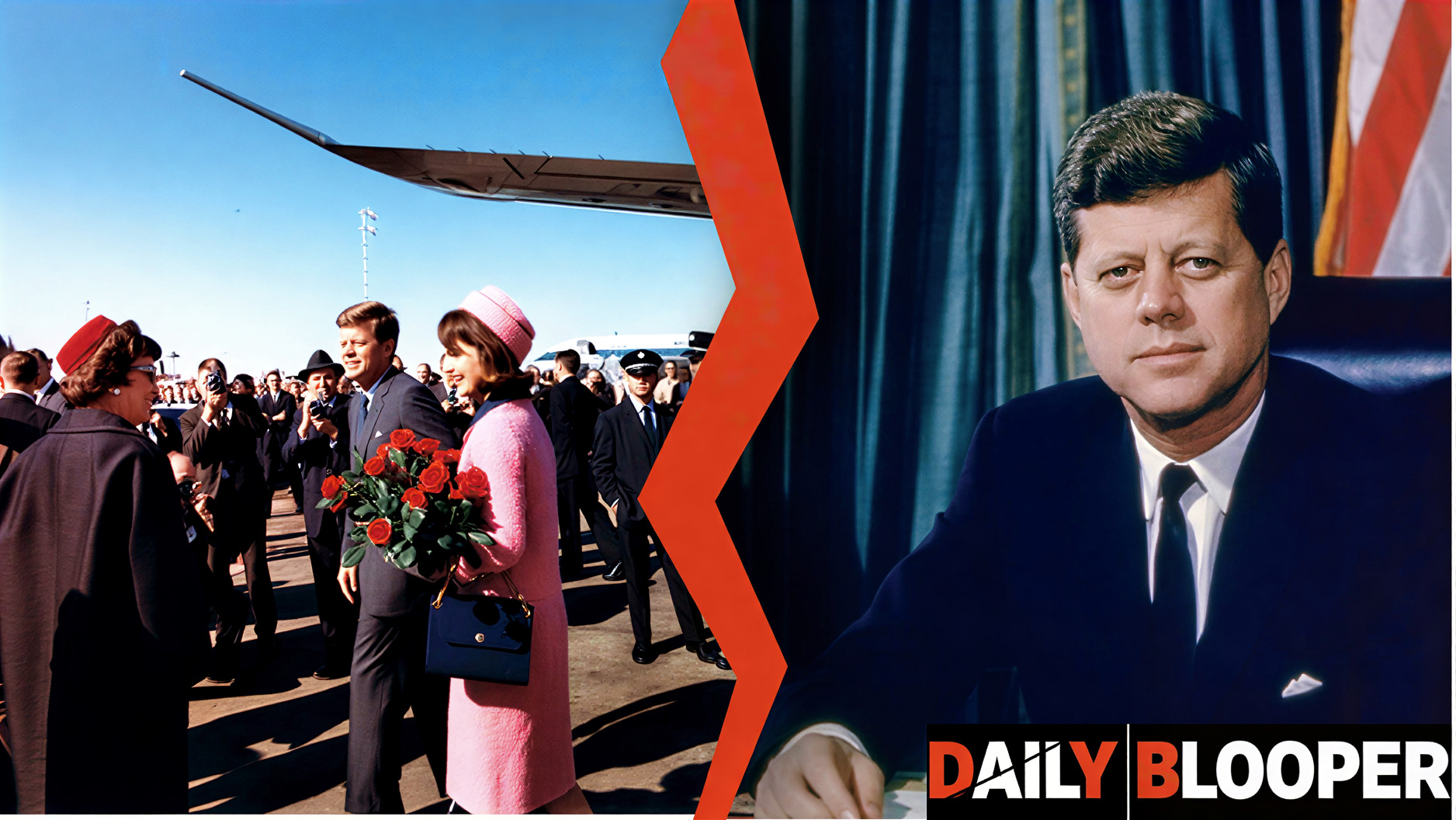
John Fitzgerald Kennedy, often called JFK, was the 35th President of the United States. Kennedy led the nation starting in 1961 until his tragic assassination two years later. Even though his presidency was short, his influence on America and the world remains powerful and lasting.
Quick Bio of John F. Kennedy
| Name | John Fitzgerald Kennedy |
|---|---|
| Birth Date | May 29, 1917 |
| Birth Place | Brookline, Massachusetts, USA |
| Death Date | November 22, 1963 |
| Cause of Death | Assassinated in Dallas, Texas |
| Position | 35th President of the United States |
| Presidency | 1961 – 1963 |
| Famous Quote | “Ask not what your country can do for you…” |
| Key Achievements | Cuban Missile Crisis leadership, civil rights advocacy, space exploration vision |
| Children | Caroline Kennedy, John F. Kennedy Jr. |
| Legacy Institutions | JFK International Airport, Kennedy Space Center, USS John F. Kennedy, Kennedy Center |
| Famous Books | Profiles in Courage |
| Political Party | Democratic Party |
| Siblings | Robert F. Kennedy, Ted Kennedy, and six others |
Early Life and Family Background
John F. Brookline, Massachusetts, became the birthplace of John F. Kennedy on May 29, 1917. He was part of a large and famous family with deep political ambitions. He had eight siblings, many of whom played important roles in American history. His father, Joseph Kennedy Sr., was a wealthy businessman and diplomat. His mother, Rose Fitzgerald Kennedy, came from a respected political family in Boston.
Growing up in a competitive and ambitious environment, John and his siblings were encouraged to work hard and make a difference. The Kennedy family became well known in politics. John’s brothers, Robert and Ted Kennedy, went on to become influential politicians as well.

Presidency and Major Achievements
John F. Kennedy became president during a tense time in history. The Cold War was intensifying, and the threat of nuclear war was real. Despite this, JFK showed courage and leadership.
One of the most dramatic moments of his presidency was the Cuban Missile Crisis in 1962. Soviet missiles were located in Cuba, a mere 90 miles away from the United States, triggering global tension. For thirteen tense days, the world waited as Kennedy negotiated a peaceful solution. His calm and firm leadership helped avoid a nuclear disaster.
He dedicated himself to advancing civil rights across the nation. He pushed for equality and justice during a time when segregation was still common in many parts of the country. His speeches inspired many Americans to work toward a fairer society.
Another important focus for JFK was space exploration. He set the ambitious goal of landing a man on the moon before the end of the decade. This led to the growth of NASA and the creation of the John F. Kennedy Space Center in Florida, where many historic space missions were launched.
Tragic Assassination
John F. Kennedy’s life was suddenly ended on November 22, 1963, when he was assassinated in Dallas, Texas. The nation and the world were shocked by his death. Lee Harvey Oswald was named the assassin by the Warren Commission, but many people continue to question the official story.
His assassination left a deep scar on the American people and marked the end of a hopeful era. It is remembered as one of the most important and tragic moments in U.S. history.
John F. Kennedy Jr. and Continuing Legacy
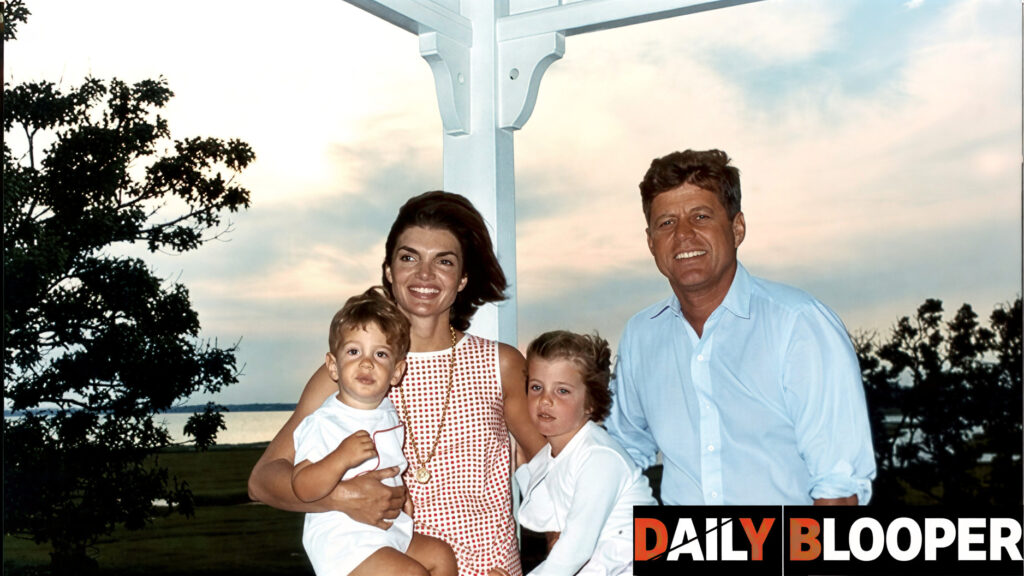
JFK’s legacy lived on through his family, especially his son, John F. Kennedy Jr. Known as JFK Jr., he became a lawyer, journalist, and magazine publisher. Like his father, he captured the public’s attention and admiration.
Sadly, JFK Jr. was killed in a 1999 plane crash that also took his wife Carolyn Bessette Kennedy and her sister. The accident happened due to poor visibility and pilot disorientation while flying at night. This was another sad moment for the Kennedy family and their many supporters.
The Kennedy family continues to influence American politics and culture through the generations. JFK’s grandchildren and relatives remain active in public life today.
Famous Places Named After John F. Kennedy
Many important places and institutions bear John F. Kennedy’s name to honor his contributions.
The John F. Kennedy International Airport in New York City is one of the busiest airports in the United States. It was renamed soon after JFK’s assassination to celebrate his memory.
The John F. Kennedy Presidential Library and Museum in Boston holds many of his personal papers, speeches, and historical items. It serves as a center to educate people about his life and achievements.
The USS John F. Kennedy is a U.S. Navy aircraft carrier named after him. The first ship served for almost 40 years. Now, a new nuclear-powered aircraft carrier is being built to carry his name into the future.
The John F. Kennedy Space Center in Florida is NASA’s main launch site for human spaceflights. It is a symbol of JFK’s dedication to space exploration and scientific progress. Many famous missions, including the Apollo moon landing, started from this center.
Books and Media About JFK
John F. Kennedy was also an author. His book Profiles in Courage won a Pulitzer Prize and told stories of brave American senators who stood up for what was right.
Many biographies, documentaries, and movies have been made about JFK. These works show different sides of his life and legacy, exploring his time in office, his family, and the mysterious circumstances of his assassination.
John F. Kennedy’s Enduring Influence
John F. Kennedy inspired millions of people with his vision of service, courage, and progress. His famous quote, “Ask not what your country can do for you, ask what you can do for your country,” still encourages people to get involved and make a difference.
His efforts helped push the United States toward civil rights and space exploration. Even decades later, his leadership serves as a benchmark for presidents and leaders worldwide.
The Kennedy family name continues to carry weight in American culture and politics. The achievements of JFK and his siblings have left an unforgettable mark on history.
Frequently Asked Questions
Who was John F. Kennedy?
John F. Kennedy was the 35th President of the United States, serving from 1961 until his assassination in 1963.
What was JFK’s most famous achievement?
His leadership during the Cuban Missile Crisis and his vision for space exploration were among his most notable accomplishments.
Who is John F. Kennedy Jr.?
John F. Kennedy Jr., son of JFK, was a lawyer, journalist, and magazine publisher who tragically died in a plane crash in 1999.
Where is the John F. Kennedy Presidential Library?
The John F. Kennedy Presidential Library and Museum is located in Boston, Massachusetts, and preserves his speeches, documents, and historical artifacts.
What places are named after John F. Kennedy?
Famous places include JFK International Airport, USS John F. Kennedy, John F. Kennedy Space Center, and the Kennedy Center for the Performing Arts.
Final Thought
John F. Kennedy’s story is one of hope, courage, and tragedy. Though his presidency lasted only a short time, the changes he inspired still affect America today. From his strong leadership during dangerous global conflicts to his vision for a better society and space exploration, JFK’s legacy is truly incredible.
Curious for more? Dive deeper on our site now! Daily Blooper
