

Understanding BAS and Why It Matters
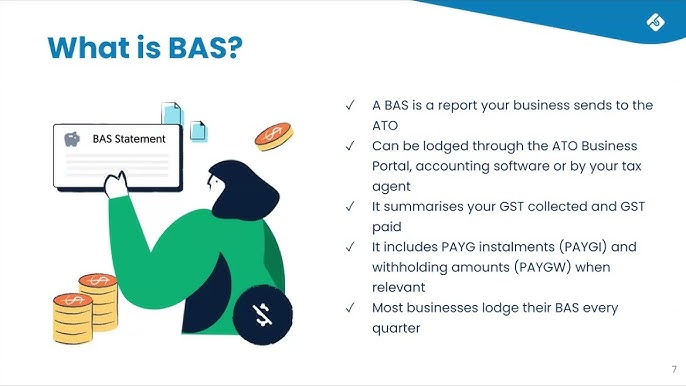
For Australian businesses, managing Business Activity Statement (BAS) reporting is a fundamental part of staying compliant with tax obligations. BAS is not just a routine submission—it brings together key elements such as GST calculations, PAYG withholding, PAYG instalments, and overall tax reporting responsibilities. When handled correctly, it provides a clear snapshot of a business’s financial position and tax liabilities.
However, many business owners struggle with BAS due to gaps in bookkeeping, recordkeeping, financial reporting, and cash flow management. These challenges often lead to errors in income reporting, expense classification, GST tracking, and reconciliation processes, which can result in penalties or compliance issues.
The Common Challenges Behind BAS Reporting
Where Things Start to Go Wrong
Most BAS problems begin with disorganised financial systems. Businesses that do not maintain accurate financial statements, bank reconciliation, invoice tracking, and expense categorisation often find it difficult to prepare correct BAS reports. Without clarity in accounts payable, accounts receivable, payroll records, and transaction history, errors become inevitable.
Another issue arises from misunderstanding GST obligations, including how to treat taxable supplies, GST-free sales, input tax credits, and GST adjustments. When these elements are not properly managed, businesses risk incorrect GST reporting, which directly impacts BAS accuracy.
The Impact of Poor Processes
When BAS reporting is inconsistent, businesses may face issues such as delayed lodgements, inaccurate figures, and increasing ATO correspondence. This can lead to penalties, general interest charges, compliance reviews, and financial stress. Over time, these problems can affect cash flow, budgeting, and overall business performance.
Breaking Down GST Calculations
Understanding GST in Daily Operations
GST plays a central role in BAS reporting. Businesses registered for GST must track GST collected on sales and GST paid on purchases. The difference between these amounts determines whether the business has a liability or a credit position for the reporting period.
Accurate GST calculation depends on properly identifying:
- Taxable transactions
- GST-free supplies
- Input tax credits
- GST adjustments and corrections
These components must be consistently recorded through proper bookkeeping systems, accounting software, and financial records.
Avoiding GST Errors
Errors in GST calculations often occur when businesses fail to reconcile their accounts regularly. Without proper bank reconciliation, invoice matching, and expense verification, discrepancies can arise. These mistakes can lead to incorrect BAS reporting and potential compliance issues.
Implementing structured systems for GST tracking, reconciliation, and reporting is essential to maintaining accuracy and avoiding unnecessary penalties.
PAYG Instalments and Withholding Obligations
Understanding PAYG Responsibilities
PAYG instalments and PAYG withholding are key components of BAS reporting. PAYG instalments relate to prepayments of income tax, while PAYG withholding involves amounts withheld from employee wages and paid to the ATO.
Managing these obligations requires accurate tracking of:
- Employee wages and salaries
- Withholding amounts
- Instalment calculations
- Payroll records and reporting
Common PAYG Issues
Businesses often encounter challenges with PAYG due to poor payroll systems or inconsistent reporting. Errors in salary processing, superannuation contributions, and withholding calculations can affect both compliance and financial accuracy.
Maintaining proper payroll systems, STP reporting, and employee records helps ensure that PAYG obligations are met correctly.
The Turning Point: Recognising the Need for Better Systems
As businesses grow, tax obligations become more complex. Many business owners reach a point where manual processes are no longer sufficient to manage GST calculations, BAS reporting, PAYG obligations, and financial records.
At this stage, they begin seeking clarity and reliable guidance. Questions around tax compliance, reporting accuracy, financial management, and risk reduction become more frequent. Many turn to resources like search for tax agents in Australia Facebook to stay informed about tax updates, compliance strategies, and practical solutions for managing their obligations.
Building Strong Compliance Systems
Improving Financial Processes
The most effective way to stay compliant is by strengthening internal systems. Businesses that adopt cloud accounting software, automated bank feeds, digital invoicing, and expense tracking tools gain better visibility into their financial data. These systems support accurate income tracking, expense categorisation, GST reconciliation, and BAS preparation.
With real-time data, business owners can monitor cash flow, financial performance, and tax liabilities, making it easier to stay on top of obligations.
The Role of Recordkeeping
Accurate recordkeeping is essential for compliance. Businesses must maintain organised records such as invoices, receipts, bank statements, payroll reports, and financial documents. These records support tax substantiation, audit readiness, and compliance verification.
Without proper documentation, businesses may struggle to justify their figures during a review or audit, increasing the risk of penalties.
Staying Compliant with BAS Lodgements
Meeting Deadlines and Obligations
Timely BAS lodgement is critical for avoiding penalties and interest charges. Businesses must ensure that all reporting is completed accurately and submitted within the required timeframe. This includes reporting GST amounts, PAYG withholding, PAYG instalments, and other tax obligations.
Consistency in lodgement helps build a strong compliance history and reduces the likelihood of ATO scrutiny.
Managing Cash Flow for Tax Payments
One of the biggest challenges businesses face is managing cash flow for tax payments. Without proper planning, businesses may struggle to pay their liabilities when due. Implementing strategies for cash flow forecasting, budgeting, and financial planning can help ensure that funds are available for tax obligations.
Setting aside a portion of income regularly can prevent financial strain and support ongoing compliance.
Preparing for ATO Reviews and Audits
Even compliant businesses may be subject to occasional reviews. The ATO may examine areas such as GST reporting, BAS accuracy, PAYG obligations, and financial records. Being prepared for this possibility is an important part of maintaining a professional business.
Regular internal reviews of financial statements, reconciliation reports, and tax obligations can help identify potential issues early. Businesses that maintain organised records and accurate reporting are better equipped to handle audits with confidence.
Long-Term Compliance and Business Growth
Moving from Reactive to Proactive
Many businesses operate reactively when it comes to tax, addressing issues only when they arise. However, a proactive approach provides significant advantages. By regularly reviewing financial data, tax obligations, and compliance processes, businesses can stay ahead of potential problems.
Planning ahead for BAS lodgements, GST payments, and PAYG instalments reduces stress and improves efficiency.
The Benefits of Strong Compliance
Businesses that prioritise compliance experience improved financial clarity, cash flow stability, and risk management. They are better positioned to make informed decisions, attract investment, and support long-term growth.
Compliance also enhances credibility, making it easier to build trust with clients, lenders, and stakeholders.
Managing BAS reporting, GST calculations, PAYG instalments, and compliance requirements is an essential part of running a successful business in Australia. While the process can seem complex, the right systems and practices can simplify each step.
By focusing on accurate financial reporting, structured recordkeeping, consistent lodgements, and proactive planning, businesses can avoid common pitfalls and maintain compliance with confidence. The key is to build strong systems, stay organised, and address issues early before they escalate.For more guidance and practical resources on managing your tax obligations, visit search for tax agents in Australia and take the next step toward stronger compliance and business success.
