

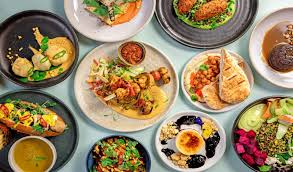
Eating habits have changed. Not suddenly, but in a steady, visible shift. People are moving away from heavy, complicated meals and choosing food that feels clean, balanced, and easy to understand.
This shift is not about restriction. It is about control, clarity, and feeling better after you eat.
In cities known for fast-paced lifestyles and diverse food scenes, this change is even more obvious. If you look at the rise of Healthy Restaurants In Dubai, you can see how demand has evolved. Diners are no longer just looking for taste. They want meals that support their daily routines, energy levels, and long-term health.
At the same time, certain formats have become more popular than others. One example is rice bowls, which offer a simple way to combine protein, vegetables, and grains in a single, balanced dish. They are easy to customize, easy to understand, and easy to enjoy.
This is not a trend built on hype. It is a shift built on how people want to live.
The Move Toward Simplicity
For years, dining out often meant excess. Large portions, rich sauces, and complex menus were seen as part of the experience. Now, many people want the opposite.
They want meals that are:
- Easy to read on a menu
- Made with clear ingredients
- Cooked in a way that feels natural
This does not mean food has become boring. It means it has become intentional.
Simple meals allow ingredients to stand out. A well-cooked grain, fresh vegetables, and properly seasoned protein can deliver more satisfaction than an overloaded plate. The focus shifts from quantity to quality.
Balance Over Restriction
One key reason for this shift is that people are tired of strict diets. Rules that cut out entire food groups often do not last. Instead, balance has become the goal.
Balanced meals usually include:
- A source of protein
- A base like rice, quinoa, or greens
- Fresh vegetables
- Healthy fats
This structure is flexible. It works for different preferences, from plant-based diets to high-protein plans. It also fits into daily life without requiring major effort.
That is why formats like bowls, plates, and build-your-own meals are gaining traction. They give control without adding complexity.
Why Customization Matters
People want meals that fit their needs. Not a fixed option, but something they can adjust.
Customization allows diners to:
- Choose portion sizes
- Adjust ingredients based on diet
- Avoid allergens or dislikes
- Try new combinations
This level of control builds trust. When someone knows exactly what is in their meal, they feel more confident in their choices.
Restaurants that offer flexible menus are seeing stronger engagement because they match how people want to eat today.
The Role of Ingredients
Ingredients now matter more than ever. Not just where they come from, but how they are used.
There is growing attention on:
- Fresh produce
- Whole grains
- Lean proteins
- Minimal processing
People are reading menus differently. They are looking for transparency, not just creativity.
A dish that lists simple, recognizable ingredients often feels more appealing than one filled with unfamiliar terms.
This does not limit innovation. It changes how innovation shows up. Instead of complexity, chefs focus on combinations, textures, and freshness.
Everyday Eating, Not Occasional Dining
Another key shift is how often people apply these choices.
Healthy, balanced meals are no longer reserved for specific days or goals. They are becoming part of everyday eating.
This is driven by:
- Busy schedules
- Increased awareness of nutrition
- A focus on long-term habits
When food supports daily life, it becomes sustainable. People are more likely to stick with choices that feel easy and repeatable.
That is why convenient formats and quick service options are growing. They make balanced eating more accessible.
The Influence of Lifestyle
Food is now closely linked to lifestyle. It is not just about taste or tradition. It is about how meals fit into the rest of the day.
People consider:
- Energy levels after eating
- How meals affect focus and productivity
- Recovery after workouts
- Overall well-being
This broader view of food changes how menus are designed and how people order.
Meals that feel heavy or slow are less appealing. Meals that feel supportive and energizing are preferred.
Visual Simplicity and Appeal
Presentation has also evolved. Clean, simple plating is replacing overly styled dishes.
A balanced meal often looks like:
- Clear sections or layers
- Natural colors from vegetables and grains
- Minimal garnish
This visual clarity reflects the idea behind the food. What you see is what you get.
It also translates well across digital platforms, where many people first discover new places to eat.
The Rise of Functional Eating
Another factor shaping modern dining is functionality. People want food to serve a purpose beyond taste.
Common goals include:
- Supporting digestion
- Maintaining energy throughout the day
- Meeting protein needs
- Reducing processed intake
Meals are being chosen with intent. This does not remove enjoyment. It adds another layer to it.
When food feels good and tastes good, it creates a stronger connection.
Convenience Without Compromise
Convenience remains important, but expectations have changed.
People still want quick meals, but not at the expense of quality. They look for options that are:
- Fast to prepare
- Easy to transport
- Balanced and fresh
This is where structured meal formats stand out. They combine speed with consistency.
Instead of choosing between convenience and quality, diners expect both.
A Long-Term Shift, Not a Trend
It is easy to label these changes as trends, but they reflect deeper habits.
The move toward simple, balanced meals is tied to:
- Greater access to information
- Changing work and lifestyle patterns
- A focus on sustainability and well-being
These factors are not temporary. They shape how people make decisions every day.
As a result, restaurants and food brands that adapt to these preferences are more likely to stay relevant.
What This Means for the Future of Dining
Looking ahead, a few things are clear.
Menus will continue to simplify.
Customization will remain important.
Transparency will be expected, not optional.
Food will keep evolving, but the core idea will stay the same: meals should fit into real life.
Not just taste good, but work well.
Final Thought
The shift toward simple, balanced eating is not about removing joy from food. It is about redefining it.
Enjoyment now comes from:
- Feeling good after a meal
- Knowing what you are eating
- Having control over your choices
When food supports both your body and your routine, it becomes more than just something you consume.
It becomes something that works with you.
